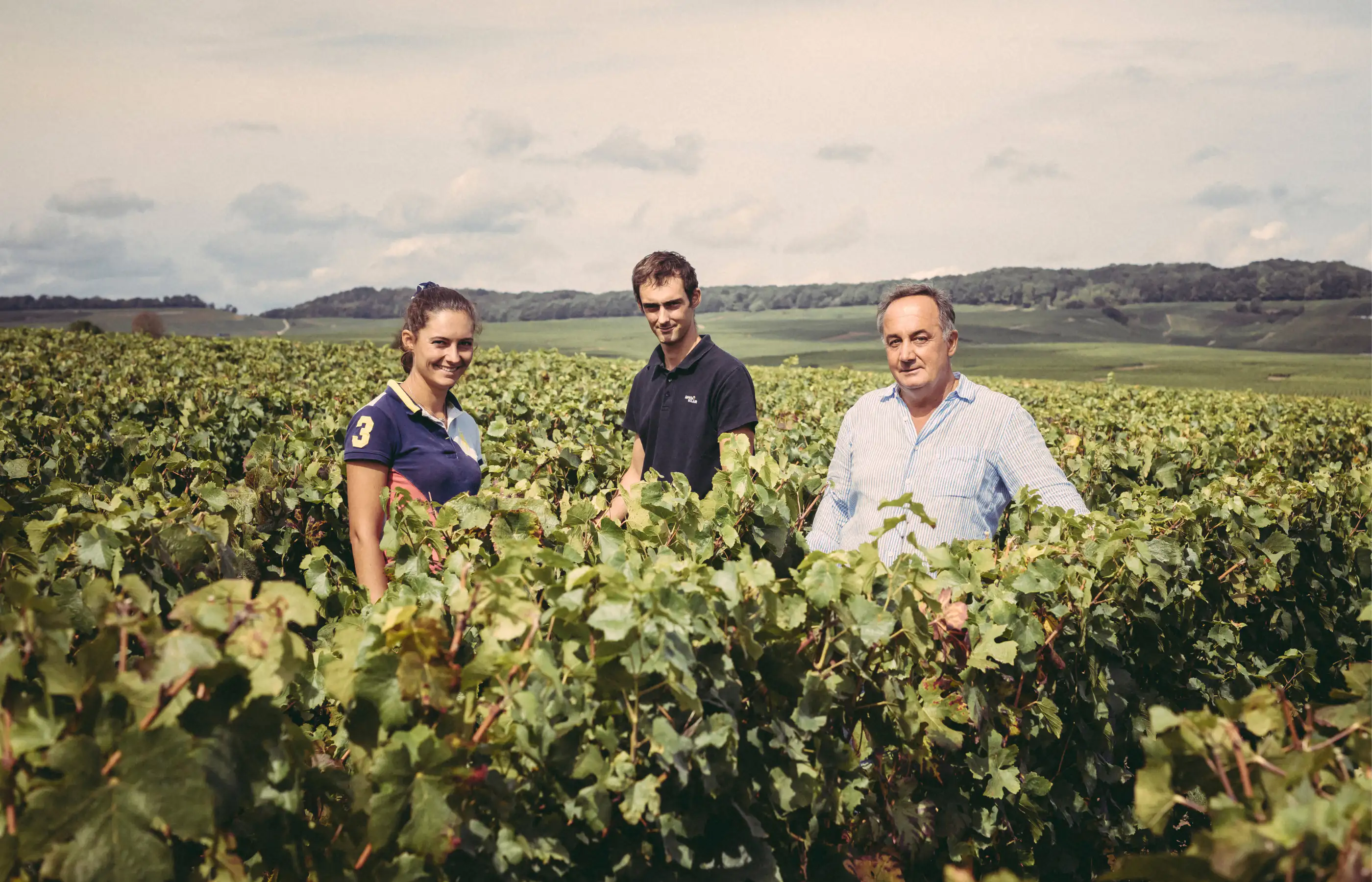
Egly-Ouriet
Champagne Egly-Ouriet is a family estate known for its dedication to quality and terroir.
Meet the Makers
We work exclusively with visionary producers who exemplify the finest expressions of terroir, tradition, and independent viticulture.

At Champavin, we believe that meaningful collaboration with passionate producers and like-minded partners fuels innovation and excellence in every bottle. Together, we celebrate terroir, craftsmanship, and independent spirit.






Massif de Saint-Thierry
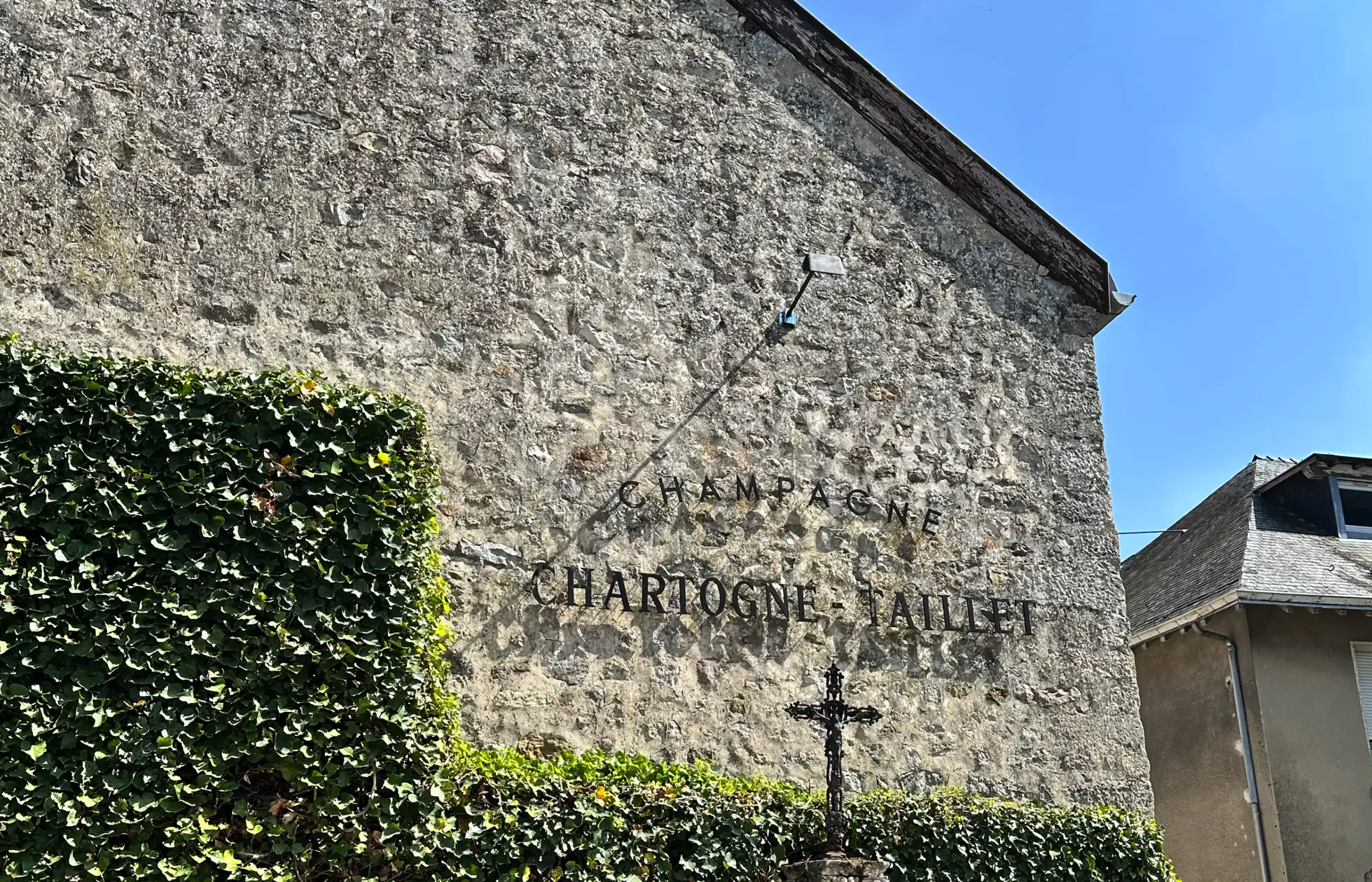
The Massif de Saint-Thierry is located to the northwest of Reims and holds the distinction of being the northernmost area of the Champagne region. Set on the right bank of the Vesle River, the region draws its name from the village of Saint-Thierry, where a historic monastery once cultivated vineyards.
Petite Montagne de Reims
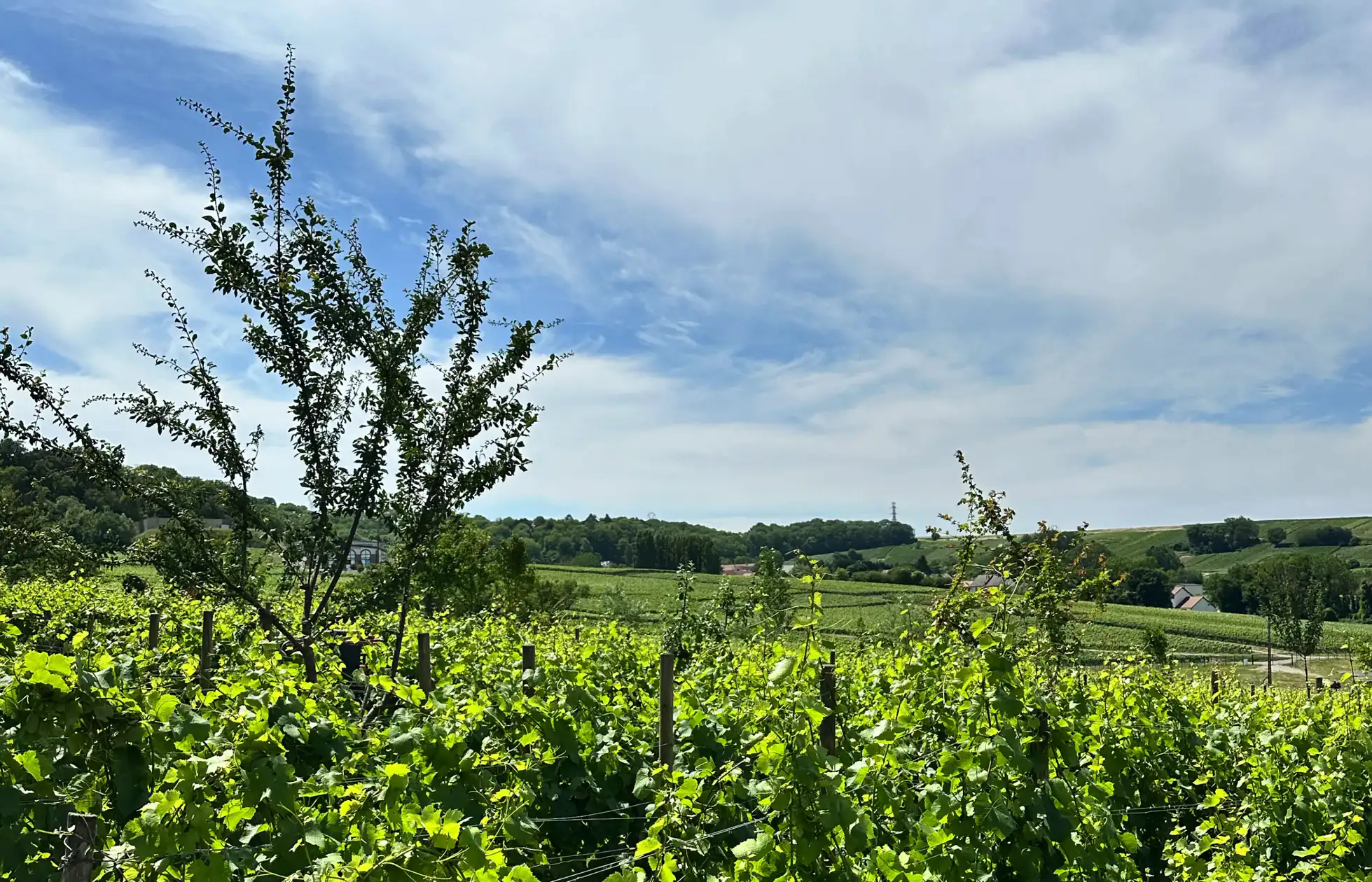
The Petite Montagne de Reims is located in the western and southwestern areas surrounding Reims, forming an integral part of the broader Montagne de Reims region. It is geographically distinct from the Grande Montagne de Reims, which covers the northern and eastern parts of the same plateau.
Grande Montagne de Reims
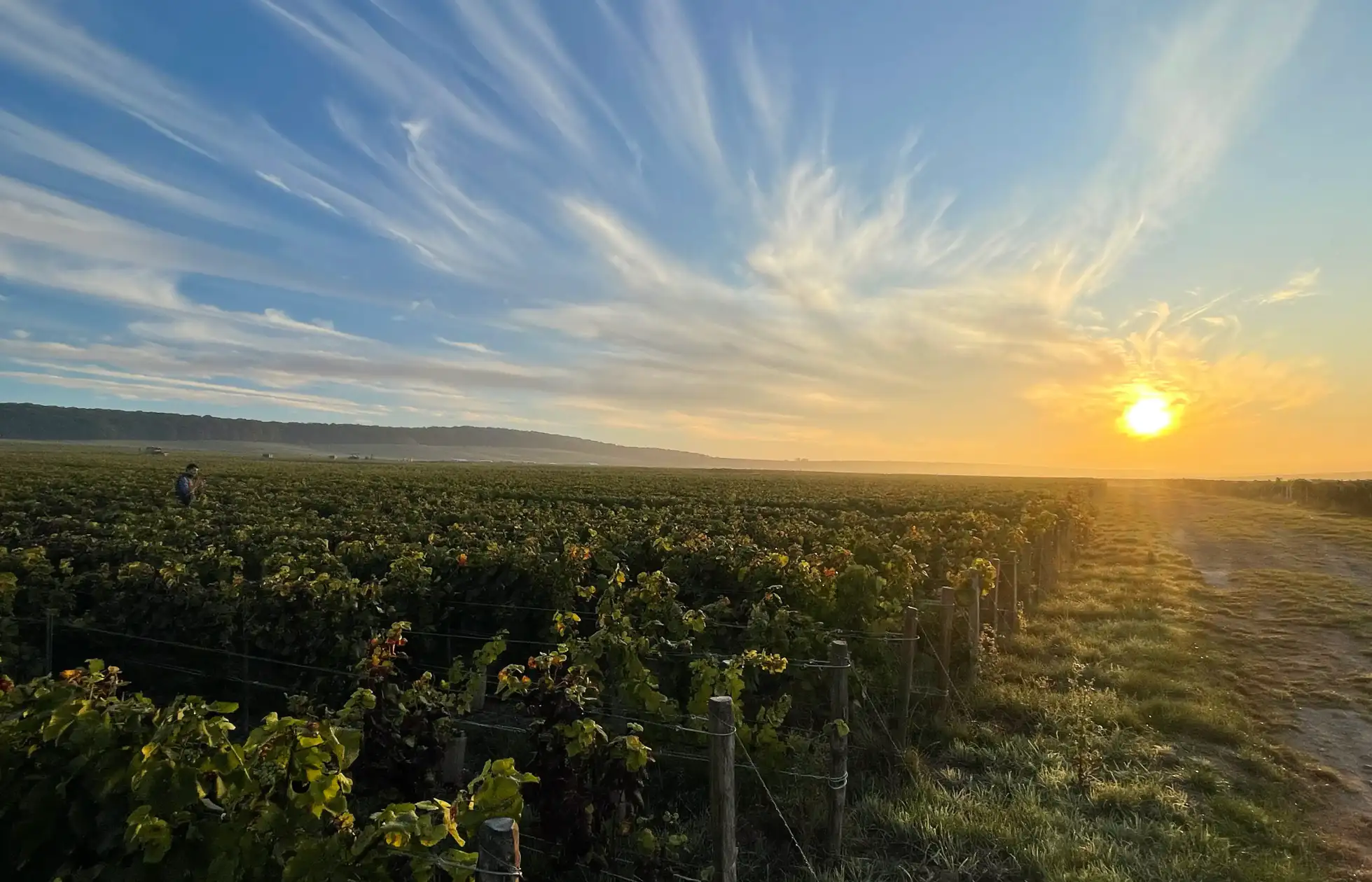
The Grande Montagne de Reims is a prominent, horseshoe-shaped plateau located between the city of Reims to the north and the Marne Valley to the south. This elevated area, heavily wooded and rich in natural thickets, forms a distinct landscape within Champagne and is widely regarded as one of the region’s most exceptional terroirs.
Vallée de la Marne
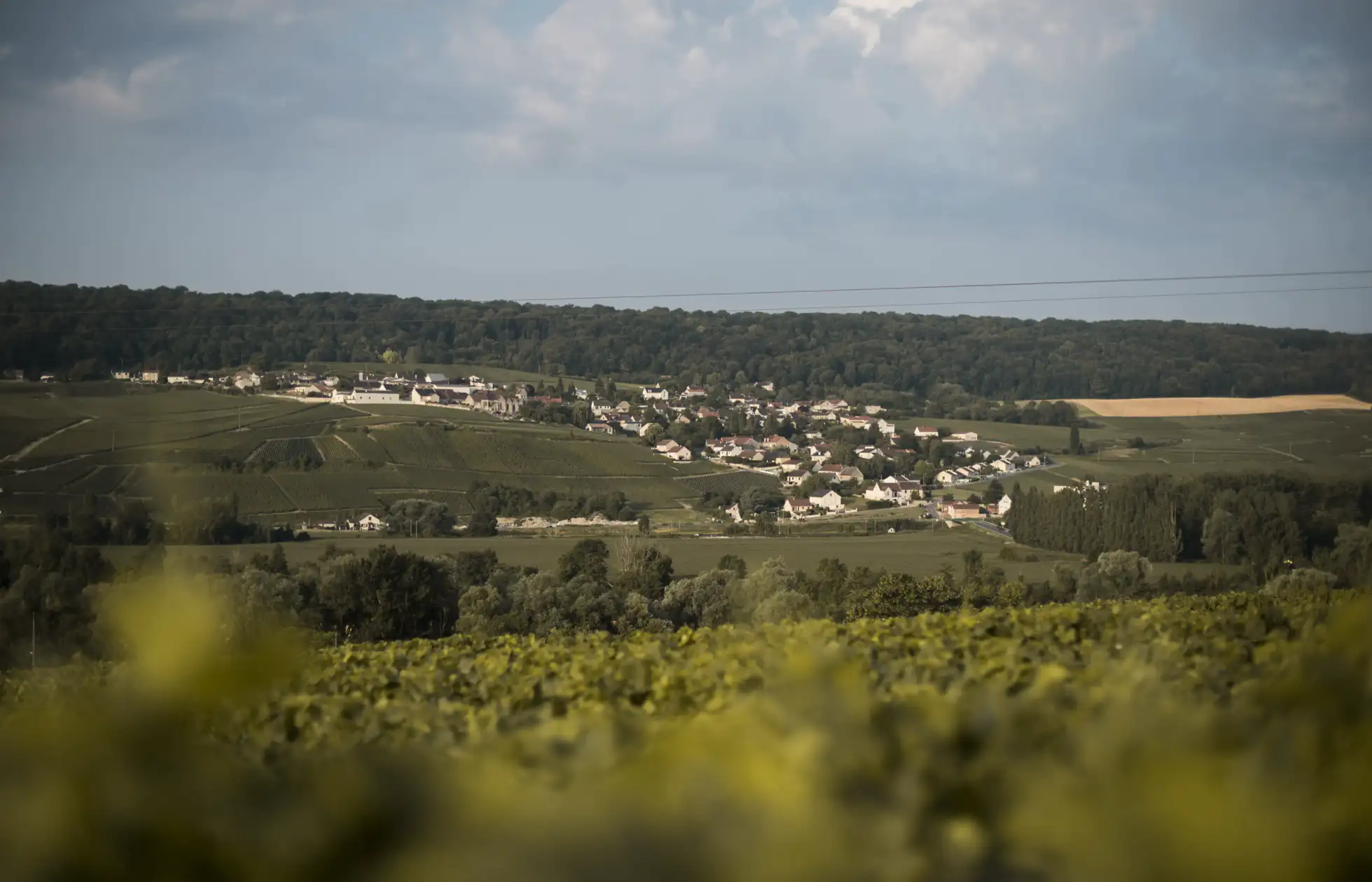
The Vallée de la Marne is a major subregion of Champagne, its landscape profoundly shaped by the winding Marne River. Vineyards thrive on the steep hillsides that flank both sides of the river, stretching westward in the direction of Paris.
Grande Vallée
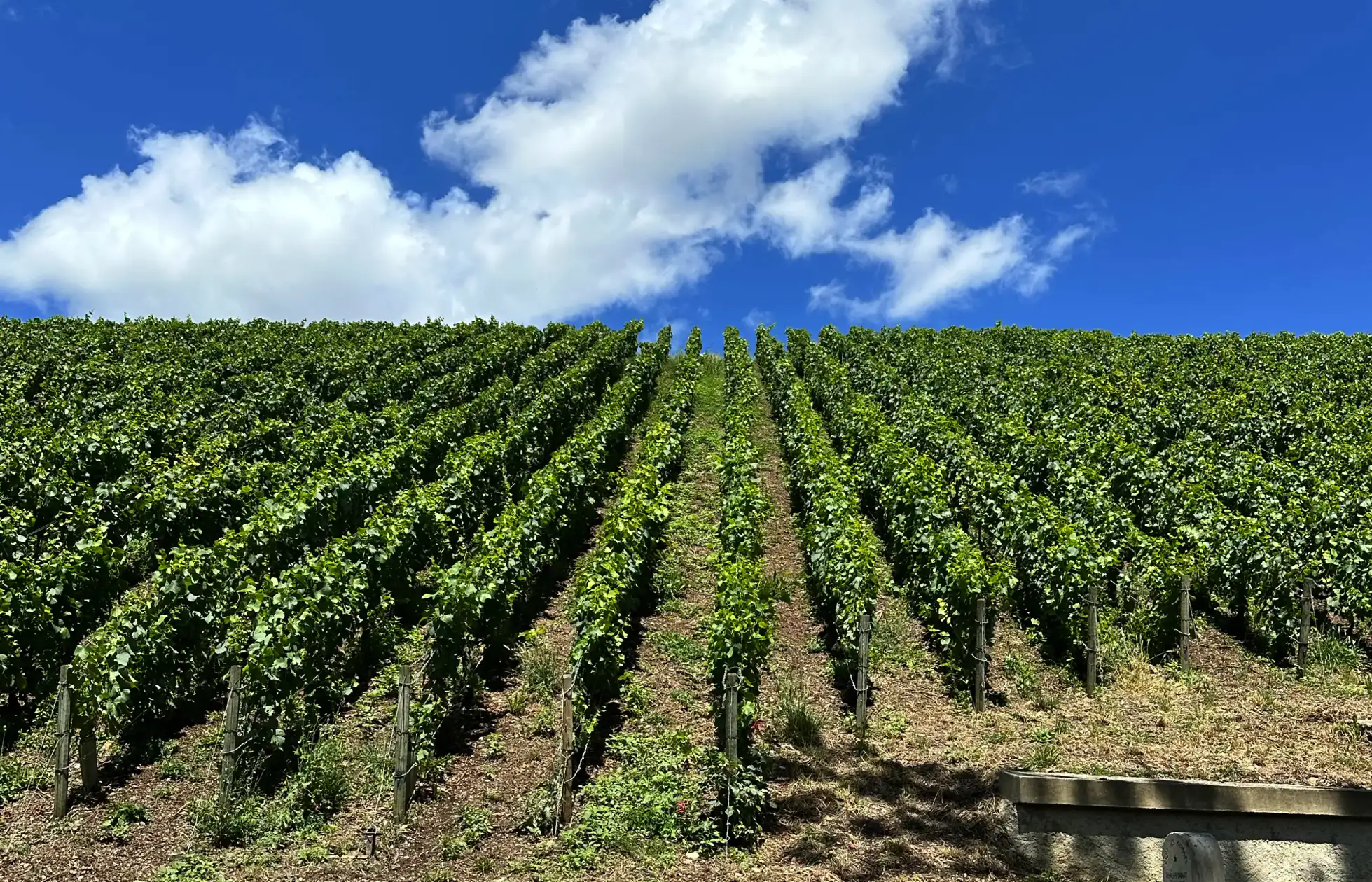
The Grande Vallée is a distinctive sub-zone nestled within the eastern section of the broader Vallée de la Marne, directly across the Marne River from the town of Épernay. Located on the right bank (north side) of the river, the slopes of the Grande Vallée naturally extend from the southern edge of the Grande Montagne de Reims, creating a seamless geographical and viticultural transition.
Coteaux Sud D'Épernay
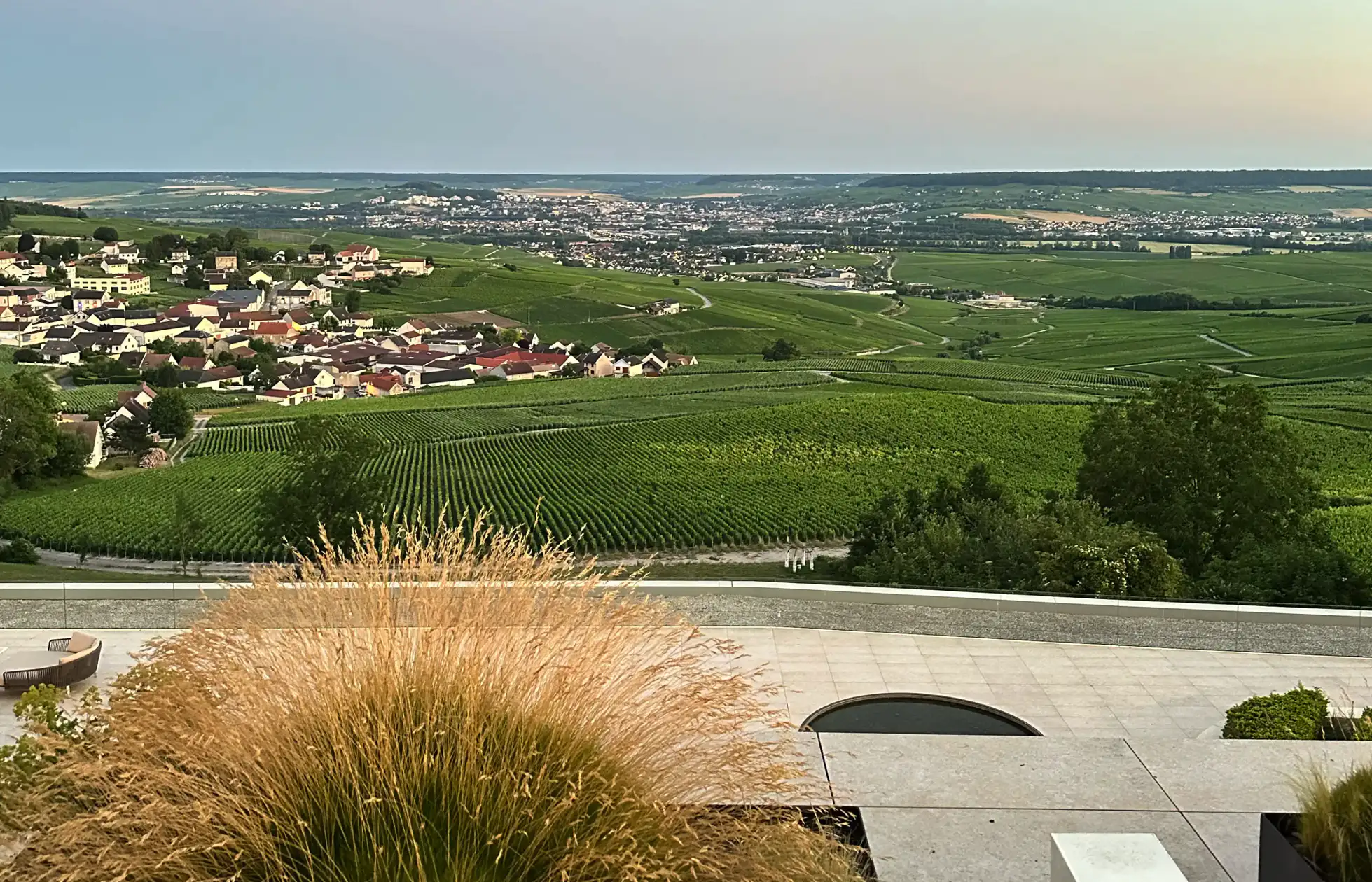
The Coteaux Sud d’Épernay is a strategically located sub-region of Champagne, lying just south of Épernay, the historic heart of the Champagne trade. This area serves as a geographical and stylistic bridge between two of Champagne’s most prominent sub-regions: the Chardonnay-dominant Côte des Blancs to the east and the Meunier-rich Vallée de la Marne to the west.
Côte des Blancs
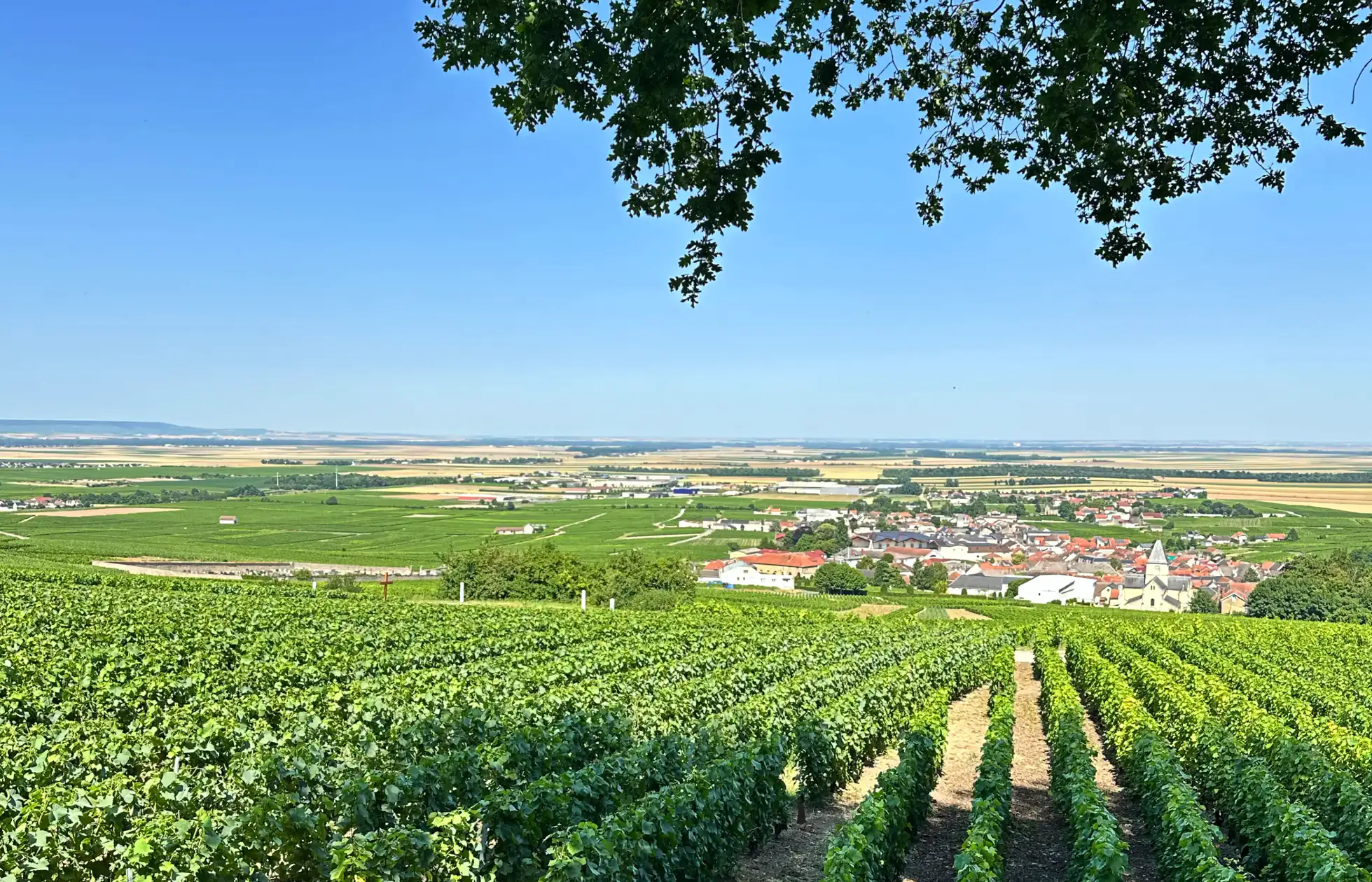
The Côte des Blancs, aptly named the “Coast of Whites,” is one of the most iconic sub-regions of Champagne, celebrated for its deep-rooted dedication to Chardonnay, the region’s hallmark white grape. This slender band of vineyards stretches along a gentle arc of hills, running northeast to southwest for approximately 10 to 15 kilometers.
Coteaux du Petit Morin
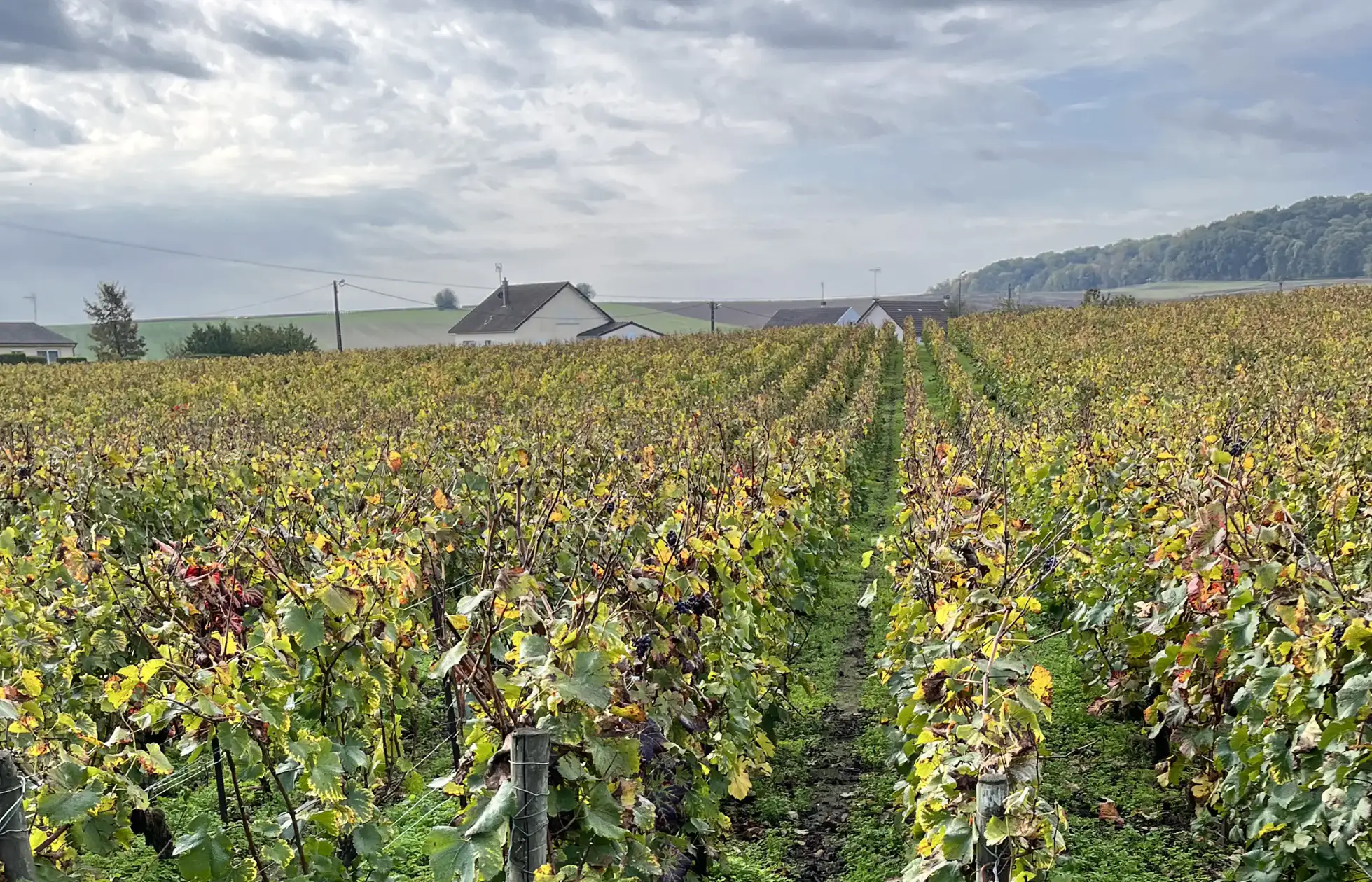
The Coteaux du Petit Morin is a lesser-known but increasingly celebrated sub-region of Champagne, quietly located between the renowned Côte des Blancs and the Sézannais. It is part of the broader Petit Morin and Grand Morin area, one of the six key wine-producing districts within Champagne.
Montgueux
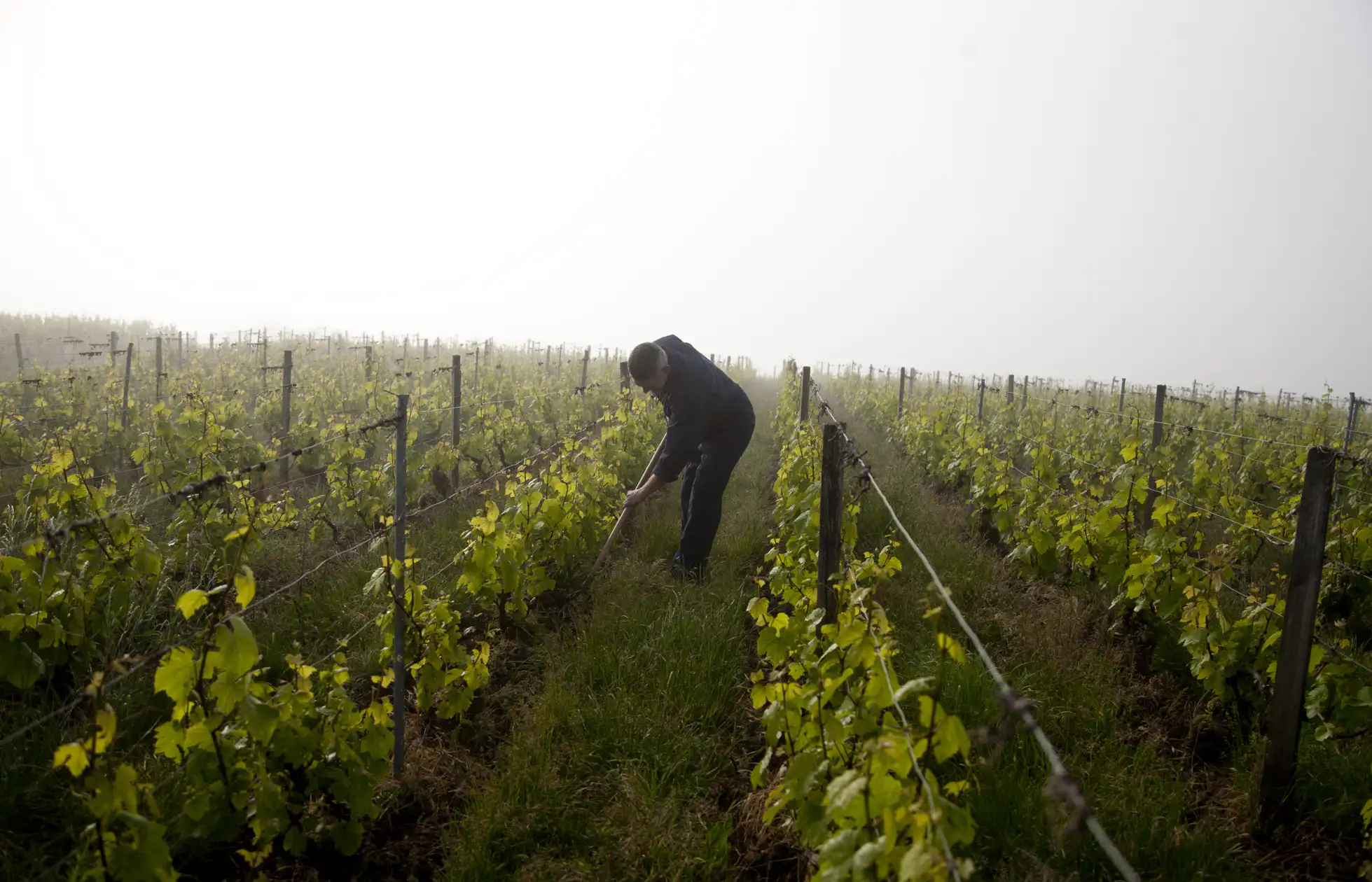
Montgueux is a small yet highly distinctive vineyard area located approximately ten kilometers west of Troyes, in the Aube department. Often referred to as the “Montrachet of Champagne”, Montgueux is considered an outlier within the region due to its exceptional Chardonnay and its unique geological setting.
Côte des Bar
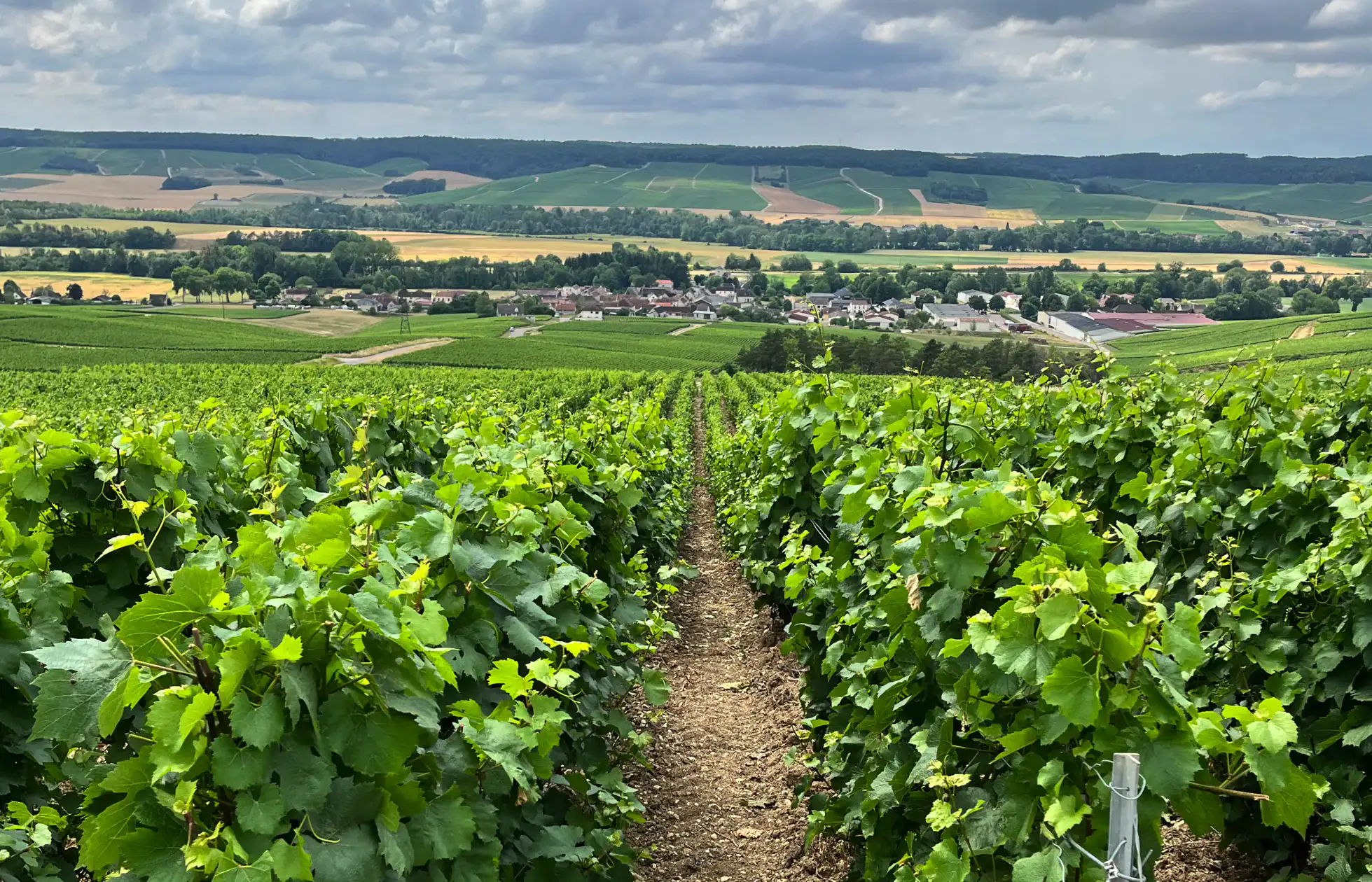
The Côte des Bar is the southernmost sub-region of Champagne, located in the Aube department, southeast of Troyes. Geographically and geologically distinct from the more central Champagne areas of the Marne, it lies significantly closer to Chablis than to Reims or Épernay, both in distance and soil profile.
Côte de Nuits
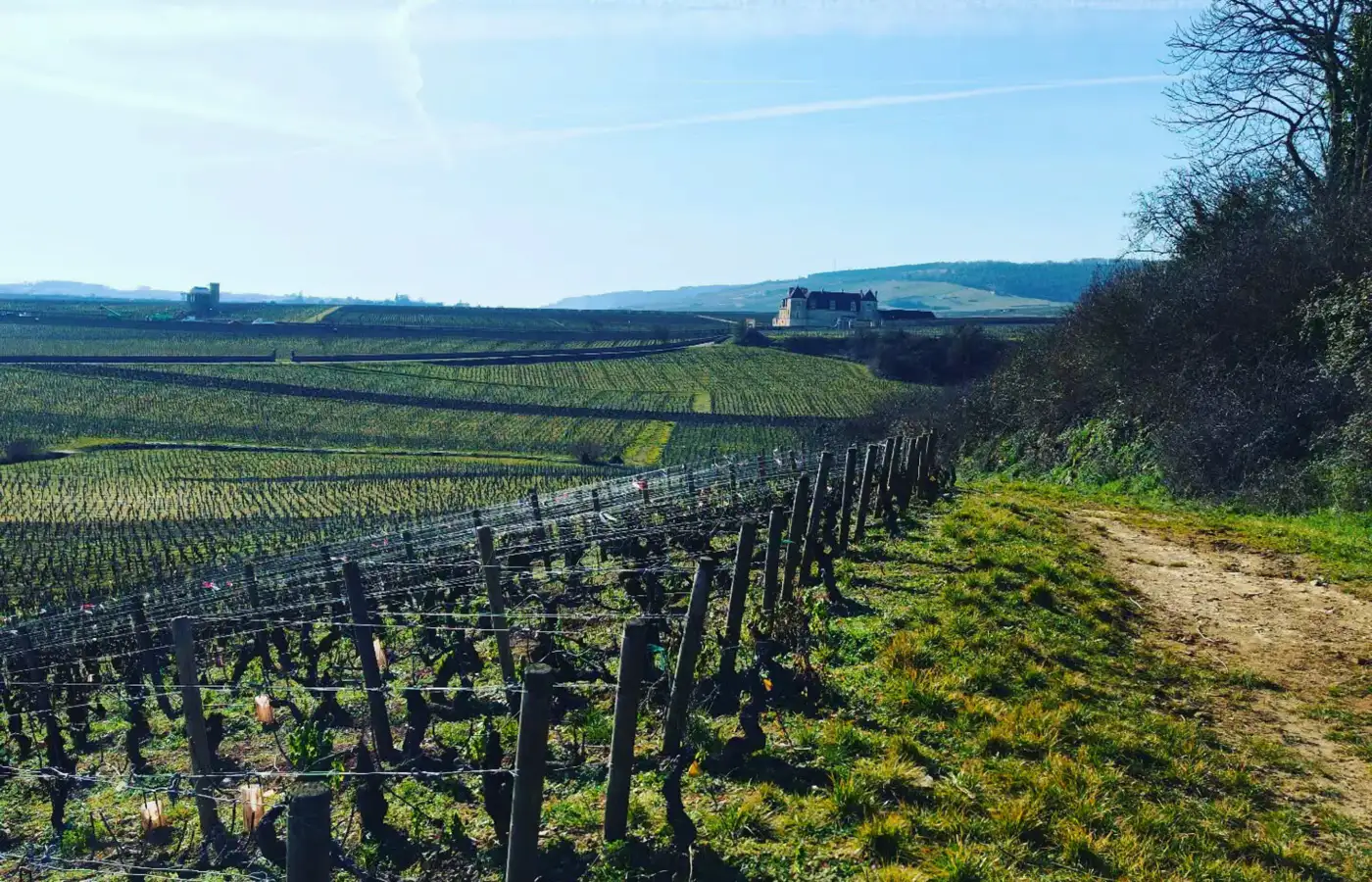
The Côte de Nuits stretches from Dijon to Corgoloin and is renowned for producing some of the finest red wines in Burgundy, particularly Pinot Noir. The region features steep slopes, limestone-rich soils, and a concentration of prestigious Grand Cru vineyards.
Côte de Beaune
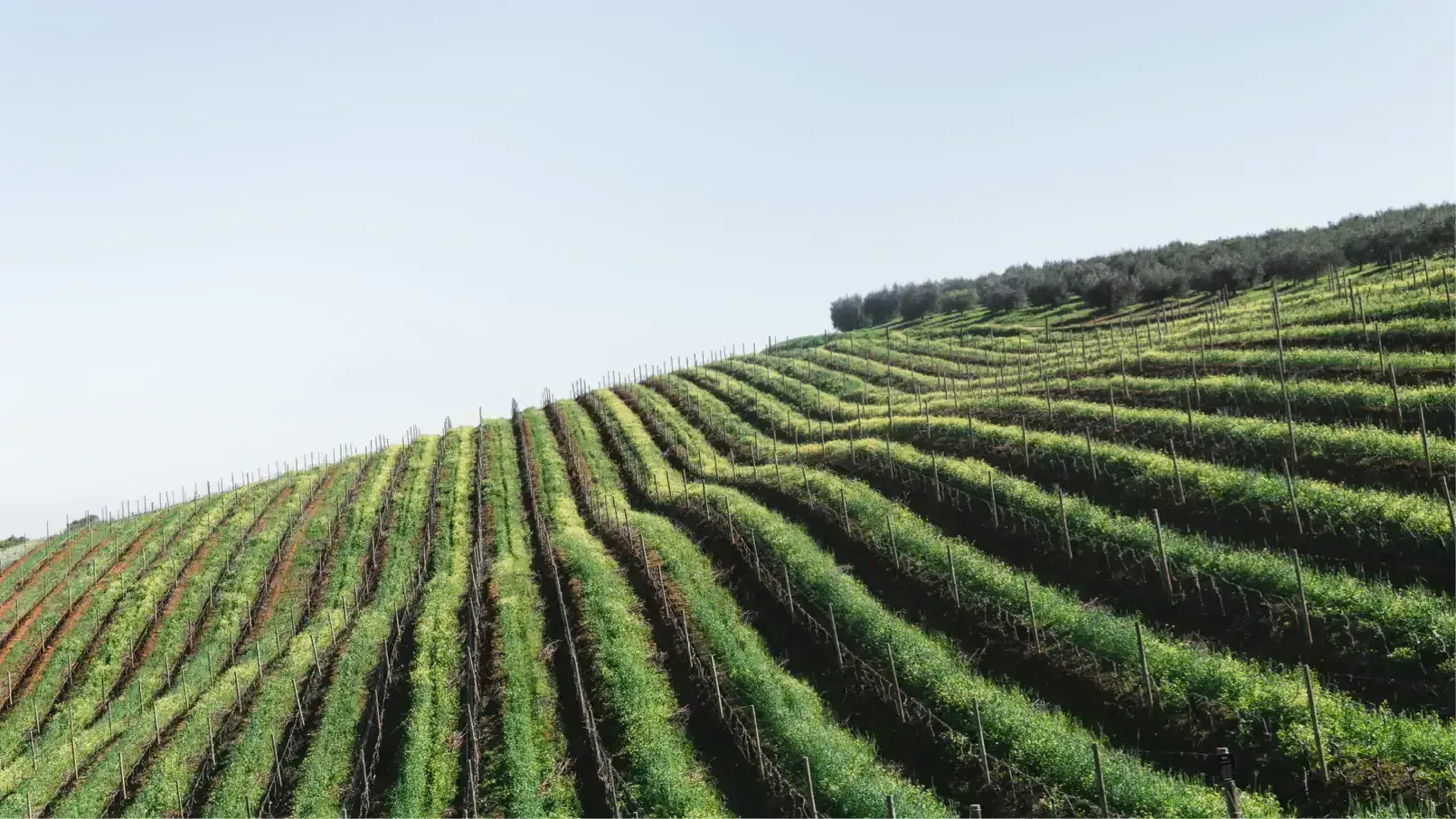
The Côte de Beaune lies south of the Côte de Nuits and is famous for its exceptional white wines, especially Chardonnay, alongside notable Pinot Noir reds. The region encompasses historic villages, vineyard terraces, and a mix of Premier Cru and Grand Cru vineyards.
Mâconnais
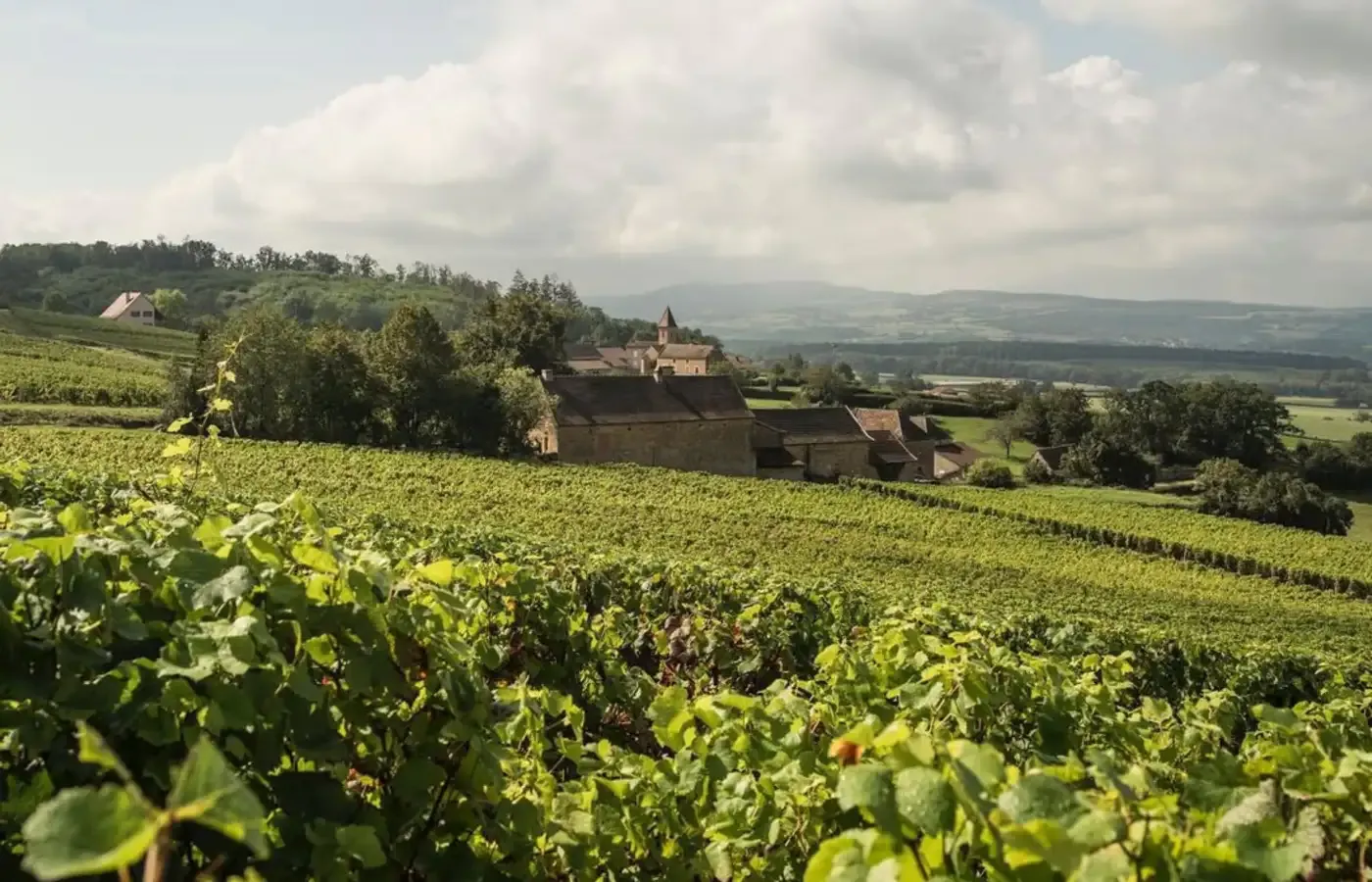
The Mâconnais forms Burgundy’s southern reach, defined by gentle hills, warmer climates, and expressive Chardonnay. This sun-drenched region bridges the mineral style of the Côte de Beaune with the rounder, fruit-forward wines found further south.
Each producer in our portfolio represents a unique voice in Champagne, not mass-market uniformity, but a mosaic of character, heritage, and craft. These are wines that speak of place, made by people with vision and conviction.
These producers don’t follow formulas. They follow the seasons, the soil, and their instincts, creating wines that reflect who they are and where they come from.
Working small plots, often passed down through generations, they capture the unique identity of their vineyards and crus.
From organic farming to minimal intervention in the cellar, they take risks the big houses can’t. The results are stunning.
These Champagnes are made in small quantitites, often by hand, with the kind of attention that doesn't scale. Each bottle carries the signature of the grower - and the story of the vintage.
CHAMPAVIN partners exclusively with producers and small-production Houses who bottle their own harvests. These producers work their own land, craft their own wines, and preserve techniques passed down through generations.
Champagne Egly-Ouriet is a family estate known for its dedication to quality and terroir.
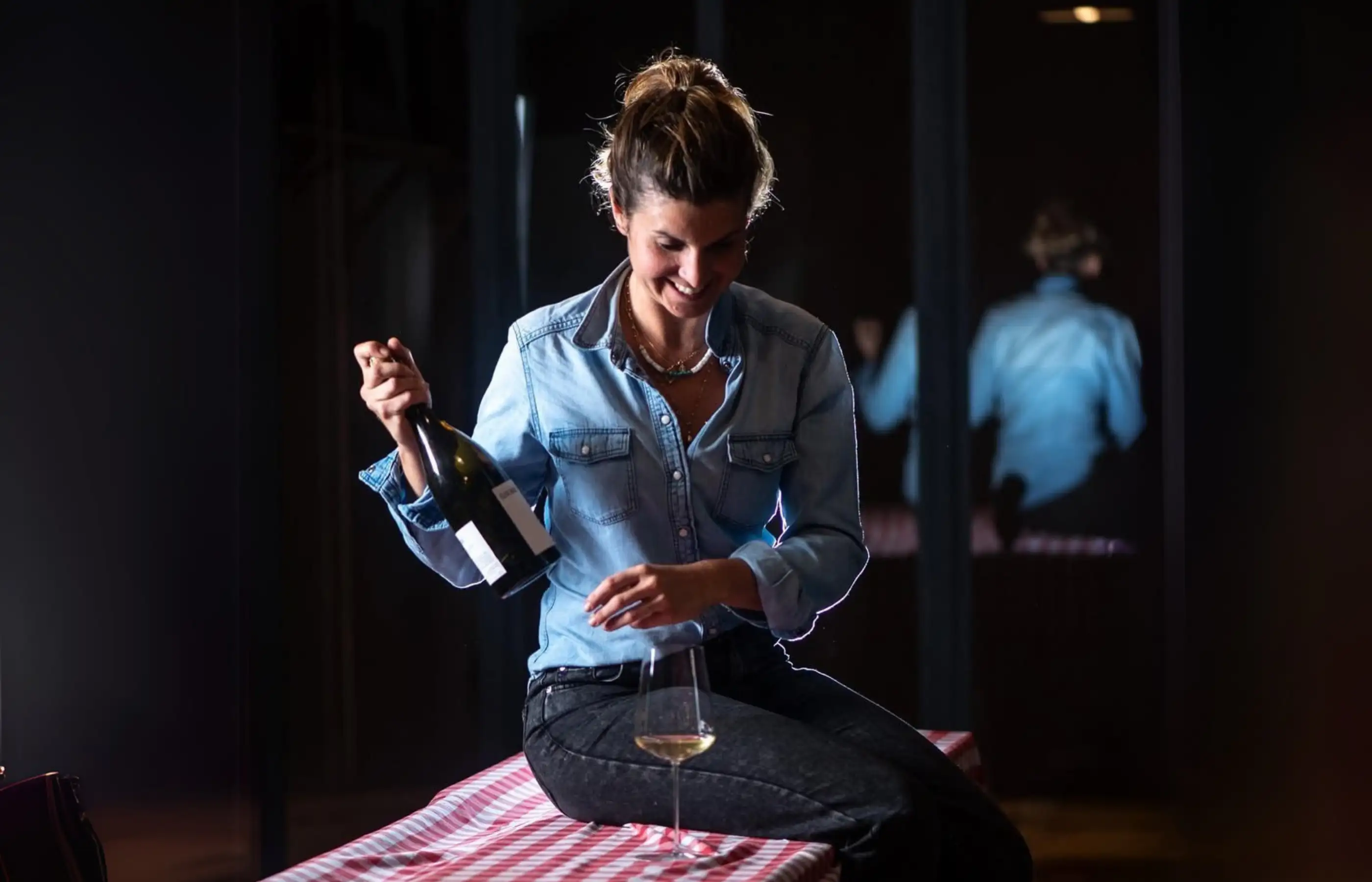
Elise Bougy returned to Les Mesneux in 2016 to revive her family estate and restore biodiversity.
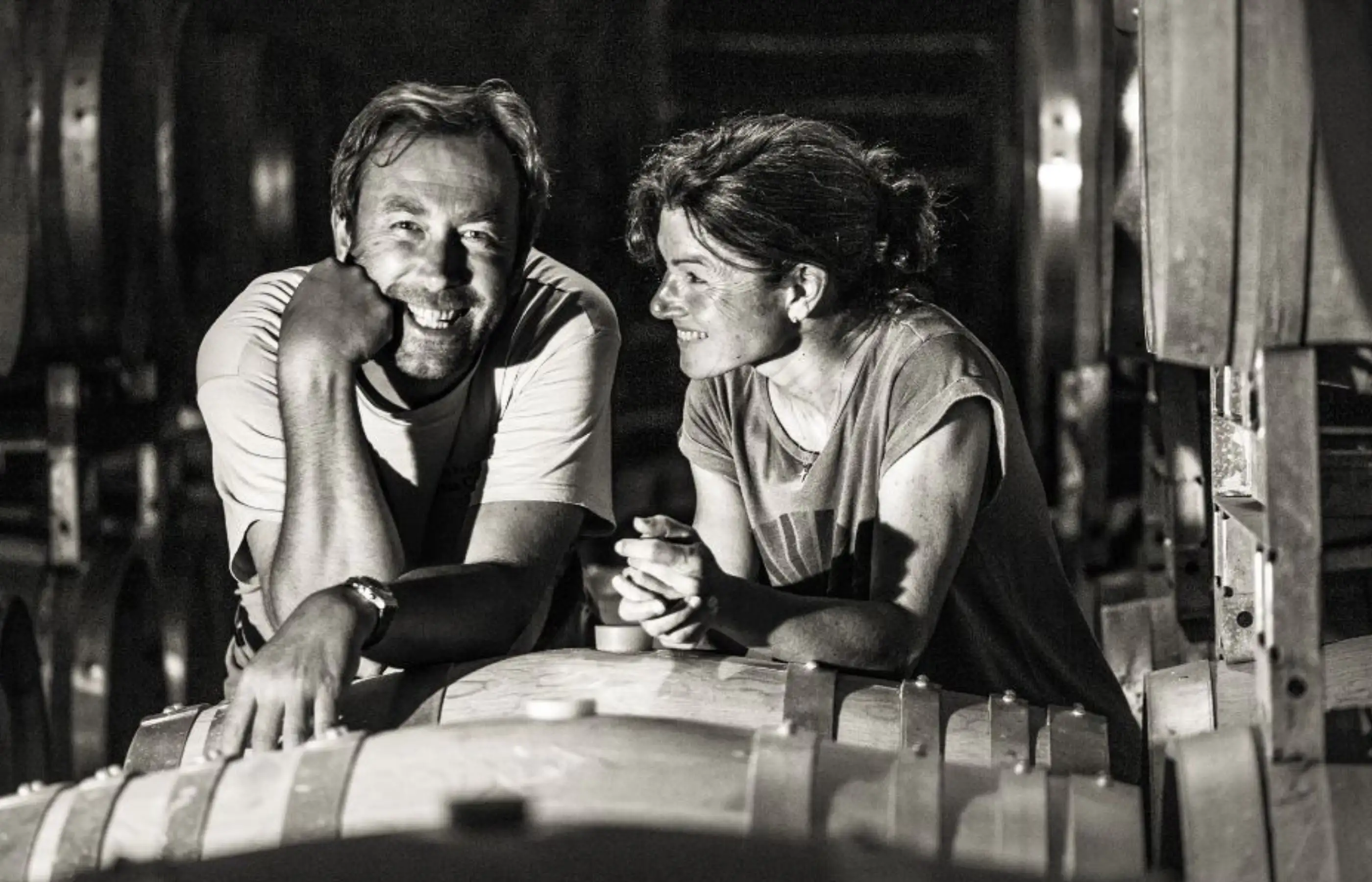
Olivier Collin of Ulysse Collin continues a vine-growing legacy dating back to 1812 in Congy.
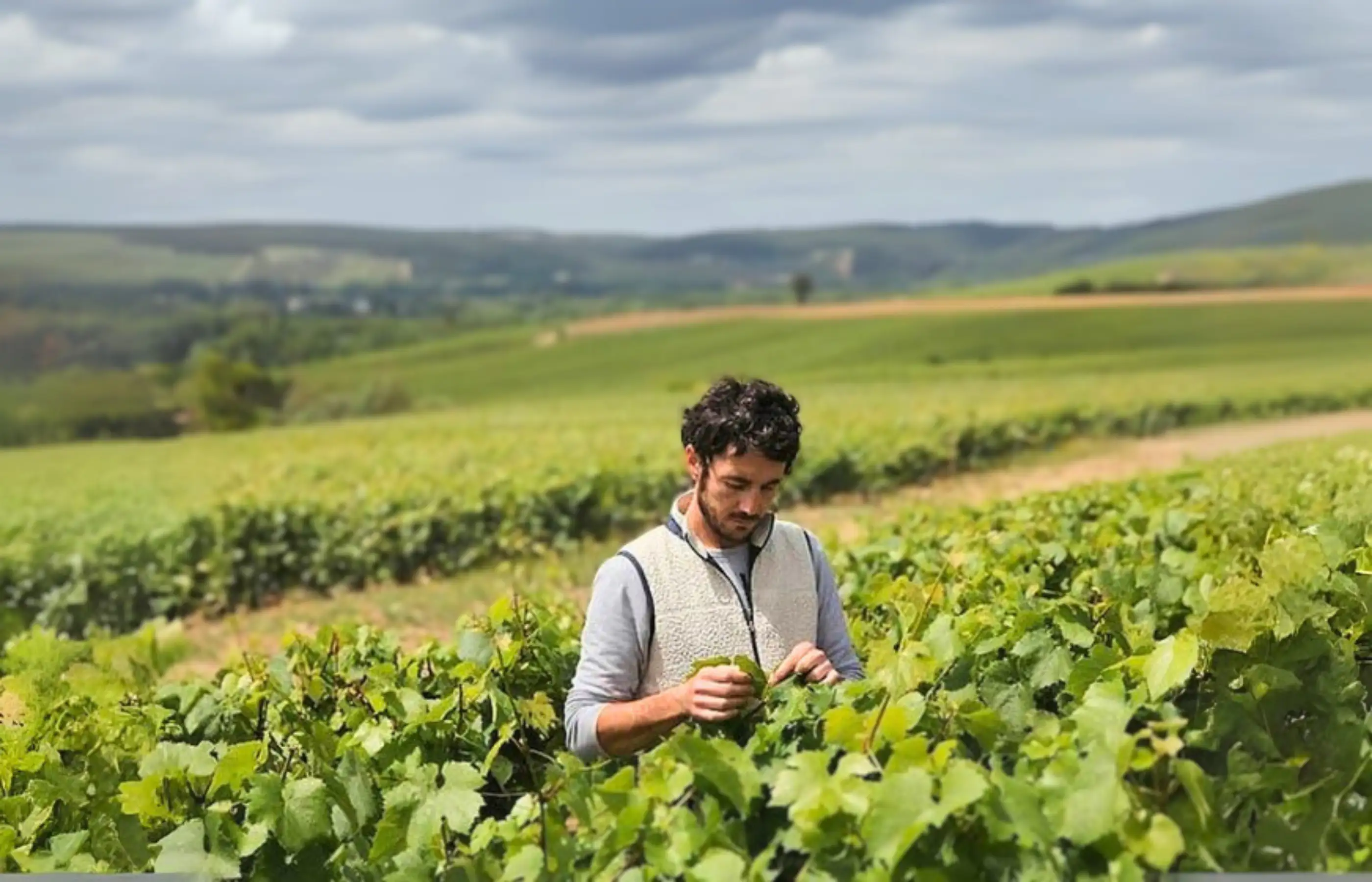
Cédric Bouchard began in 2000 with 1.37 hectares in Les Ursules, Celles-sur-Ource, Côte des Bar.